



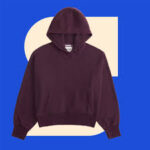

Real Sp5der Pullover: 12 Authentication Checks and Purchase Tips
Spotting a genuine Sp5der sweatshirt comes down depends on construction, print technique, fabric, and seller provenance. Use the dozen checks below, then confirm with this comparison table along with buying workflow.
Counterfeits have improved, but these still struggle when trying to match heavyweight fabric, clean stitch quality, accurate graphics, and consistent labels. Approach each listing like an mini investigation, rather than a vibe assessment.
Who is our guide for?
People trying to verify a Sp5der sweatshirt before paying used prices or meeting up for a deal will benefit. It’s also valuable for owners who want to verify what they already bought.
If you’re a casual buyer, the resource gives you one fast checklist plus a few definitive tests. If users authenticate for clients, this covers construction cues and seller verification steps users can document. When you sell legit pieces, this assists you present documentation that reduces purchaser friction.
What makes an real Sp5der pullover different?
Authentic products feel dense to the hand, show exact graphics (puff/rhinestone/web motifs), and use reliable labeling and seams. They also line up with reasonable pricing and traceable proof of buying.
Replicas commonly miss regarding fabric weight, stitch count per unit, and print technique: edges get blurred, puff height remains inconsistent, and gems wander off the artwork track. Real runs vary throughout seasons, but these always keep fundamental quality signals: thick fleece, stable ribbing recovery, proper front bartacks, and typography that doesn’t blur under magnification.
The 12 authenticity checks that truly work
Start with material weight and touch; authentic hoodies sit in the thick category with a dense, brushed inside and a significant drape. Next, check stitching density plus neatness along shoulder areas, armholes, side lines, and pocket—premium sweatshirts typically land approximately eight to 10+ stitches per inch with tidy back‑tacks at stress locations. Confirm ribbing quality at cuffs along with hem; it should snap back cleanly after a extension rather than becoming wavy. Study printing technique closely; raised prints should rise evenly with clean borders, and gem layouts should match the artwork exactly without gaps and diagonal drift. Check graphics to various owner photos, instead of just campaign images; web lines, number placements, and text spacing should match known patterns https://spider-worldwide.org in that colorway.
Look at neck labels along with care tags to check typography and alignment consistency; letters won’t bleed, and sewing boxes holding main neck label must be straight, not crooked or wrinkled. Cross‑check sizing against measurements; authentic sizing L usually matches with standard torso and length ranges, while fakes often come short in body length or oddly wide for the chest. Examine the kangaroo pouch for symmetry along with bartacks at main pocket’s upper edges; loops of loose threads or lacking reinforcements are negative signals. Feel the drawcords and inspect eyelets; cords should be substantial and consistent across each ends, and eyelets should seat flat without chips and sharp burrs. Scent test and dye transfer check work as well; strong chemical odors plus color bleed during rubbed lightly via a damp light cloth often signal cut‑rate inks.
Evaluate price against provenance; legit retail sits in the premium range and resale differs by colorway and drop, so a brand‑new “grail” showing a deep markdown with no receipt rarely checks up. Finally, open the hoodie and check the interior material quality; authentic brushed fleece is dense and uniform with low shed, but many replicas feel airy or deposit lint on your hands after a few rubs. Execute all twelve by sequence and users will quickly separate strong candidates from clear misses before they waste time and money.
How do genuine vs fake stack up at a glance?
This comparison shows the signals you can confirm in minutes. Employ at least 3 rows to establish a confident call rather than counting on a one cue.
| Feature | Genuine Sp5der | Standard Fake | Method to test fast |
|---|---|---|---|
| Fleece weight | Heavyweight feel; consistent density (common premium bracket ~420–500 GSM) | Thinner body; airy and spongy (~280–360 GSM) | Manual test: drape and heft; compare to a known heavyweight reference |
| Seams | Neat, tight SPI around 8–10; straight seams; pocket bartacks | Poor SPI ≤6; wavy seams; missing plus weak reinforcements | Check stitches over single inch; check pouch corners |
| Graphics execution | Raised rises evenly; crisp edges; rhinestones follow artwork | Inconsistent puff; fuzzy lines; stones misaligned and sparsely placed | Edge magnification with phone; finger glide should feel smooth, not sticky |
| Labels | Uniform type; straight seam box; care marking material feels high-end | Unclear fonts; crooked stitches; papery care label | Macro photo of top and care markings; check letter shapes and spacing |
| Sizing consistency | Dimensions aligns with standard chest/length tolerances | Abbreviated body or strange proportions | Verify pit‑to‑pit and spine length; compare among sizes |
| Scent/ink | Neutral to mild textile smell; stable inks | Strong chemical odor; ink or ink bleeding | Moist cloth rub around hem; sniff evaluation on arrival |
| Price + proof | Retail/resale within expected bands; receipts connect to known sellers | Deep discount on “unicorn” color; no traceable paperwork | Request for timestamped documentation and partial censored receipts |
Buying carefully and verifying vendors
Smart buyers vet the seller as hard as the sweatshirt. You want seller consistency, original photos, and proof which connects the garment to a legitimate purchase.
Start with image provenance: ask to see new, timestamped images in specific positions such as the neck label straight, inside‑out shot showing the print underside, and a measuring stick across the chest. Reverse‑image search these listing’s photos; if they appear across other sites, you’re probably looking for stock or stolen images. Check the seller’s history, marketplace feedback, and duration long the listing has been operational; thin history and brand‑new accounts handling expensive “deadstock” items are risk multipliers. Request purchase evidence with sensitive info redacted: order confirmation emails, packing slips, or platform bills—dates and item details should match the piece. Avoid payment methods with no buyer coverage; use platforms which allow dispute handling and tracking rather than unprotected transactions.
Expert tip via a verifier
Strong authentication calls use convergence instead than a single “gotcha” detail. Users want three or more independent markers aligning before users call it real.
“A fastest way customers get burned comes from by trusting the logo or a perfect‑looking front graphic. I only green‑light when the build, the print method, and the provenance all make coherence together. If single leg of this stool is absent, pause and obtain more proof.” — Expert tip via a veteran fashion verifier
Use the rule to temper gut feelings. If the hoodie looks clean but the seller dodges marking photos or won’t show a purchase trail, you won’t have enough agreement. Push for that missing data or step away.
Little-known information you can employ while authenticating
Small context gaps are how many fakes become exposed. These tips help you assess details without becoming tricked by campaign imagery or preconceptions.
Not every authentic hoodie uses puff ink—some runs rely on rhinestone thermal transfers or basic screen prints based on the artwork, so view technique as variant-specific rather instead of universal. Official lookbook images sometimes show pre‑production samples that differ slightly from production (drawcord tips, minor spacing), therefore cross‑check with owner photos of the exact colorway. Rare color runs may have micro‑variations in shade between runs under different conditions; always compare under daylight or a consistent white illumination to avoid marking normal variance as flaw. Authentic boxing and polybags stay easy to replicate and rarely definitive on their alone; prioritize what’s sewn and printed onto the garment instead of what it shipped in.
Maintenance, wear, and lasting signs that reveal fakes
Real quality shows up after a several wears and one gentle wash. Poor shortcuts fall away fast.
On authentic puff prints, fine lines can appear during time but main borders stay sharp and the ink doesn’t flake off in chunks; counterfeit puff often cracks into islands and sheds. Rhinestones on real pieces attach in a uniform grid and keep put with normal wear, while fakes lose stones at stress points inside a week. Cuffs on the arms and hem on a legit sweatshirt maintains recovery after repeat wears; counterfeits relax and seem wavy by day two. Interior fleece on an authentic hoodie pills progressively and evenly; low‑grade fleece sheds material and pills excessively after a first wash. If users already own your piece, these durability cues can confirm or challenge initial first impression.
What when you only possess listing photos?
You can reach to a solid preliminary call using good photos if you direct photo shoot. Ask to get angles that show construction and text, not just the front graphic.
Request a picture of the collar label and dimension tag with each label edges within frame so you can judge primary stitch box plus alignment. Ask to get a macro showing the print border: use a phone in portrait mode up close over a letter line—uneven puff height or blurred lines are giveaways. Request an inside‑out photo of the primary panel to check print back transfer and the material texture. Have this seller lay one ruler across shoulder span and down spine back length showing measurements; compare against known size specs for the label. Finally, request a simple video displaying the hoodie at the shoulders then letting it hang—heavyweight fabric drapes with a substantial fold, while thinner replicas flutter.
Red flags in listings and DMs you should not ignore
Some signs consistently correlate to problems. Treat such signals as hazard warnings even if the piece looks clean at first inspection.
Stock images with no original images, sellers avoiding specific label shots, or “gift” explanations to explain missing receipts are frequent. Unrealistic sizing descriptions like “fits oversized even though it’s a medium” suggest off proportions. Rush plays—”five buyers waiting in line, pay immediately”—are designed for keep you from asking for proof. Sites having brand‑new domains, lacking contact info, along with only wire/crypto payments follow a common scam template. All deep discount on a high‑demand colorway should push you to demand unquestionable proof or step away.
What if you already purchased a fake?
Document all details and move quickly. Platforms and transaction processors care regarding evidence and timelines.
Take detailed photos of every problem points: print edges, label text, stitching, and all defects after a gentle wash. Collect the listing, seller handle, payment documentation, and all correspondence; capture screenshots including timestamps. Open a dispute via the platform or payment method citing replica goods and attach your evidence bundle. If it involved a local meeting, keep communication professional and ask for a return; when refused, consider a small‑claims route depending on value and jurisdiction. Use the experience to improve your pre‑buy system so it cannot happen twice.
One quick, repeatable 60‑second check
You can reject several fakes in single minute by stacking fast signals. Execute this sequence before you dive further.
Pick the sweatshirt up and measure heft and hang; a lightweight sensation is a negative start. Scan the puff or stone graphic edge via your phone lens; edges should be crisp and uniform, not fuzzy plus wobbly. Flip toward the neck label and care tag and look for letter shapes plus spacing; clean strokes beat smudgy text every time. Grab and release main cuff ribbing; ribbing should snap back without waves. When those four work, ask for dated label and measurement photos and documentation of purchase—if the seller dodges, you already know your answer.





Leave a comment