




In the evolving world of interior design and construction, materials that combine durability, versatility, and cost-effectiveness are in high demand. Among these, PVC Foam Board has emerged as a smart solution for modern interior wall panels. Lightweight yet strong, moisture-resistant yet stylish, PVC foam boards are redefining how professionals approach wall cladding and decorative applications across the globe.
What Is PVC Foam Board?
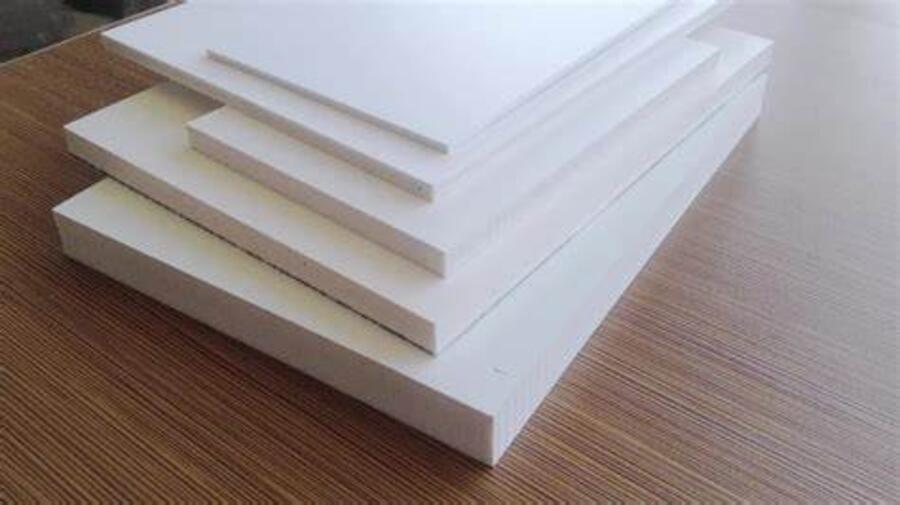
PVC Foam Board is a rigid sheet made from polyvinyl chloride (PVC) blended with foaming agents to create a lightweight cellular structure. The result is a material that offers:
Strength with reduced weight – ideal for large wall panels without adding structural load.
Moisture and termite resistance – ensuring longevity in humid or pest-prone environments.
Smooth, versatile surfaces – suitable for painting, laminating, or direct decorative use.
Its adaptability makes PVC Foam Board a preferred alternative to traditional wood, plywood, or MDF in interior applications.
Why PVC Foam Board for Wall Panels?
Interior wall panels must balance aesthetics with performance. PVC Foam Board delivers on both fronts:
Durability: Resistant to warping, cracking, and fading, even in challenging climates.
Design Flexibility: Available in a range of finishes, from matte and glossy to wood grain textures.
Ease of Installation: Lightweight panels are easy to cut, shape, and install, reducing labor costs.
Eco-Friendly Options: Many manufacturers now offer boards produced with recyclable materials and low-VOC finishes.
For architects and designers, this means freedom to experiment with styles while ensuring long-term reliability.
Key Features That Set PVC Foam Board Apart
1. Moisture Resistance
Unlike wood-based panels, PVC Foam Board does not absorb water, making it ideal for kitchens, bathrooms, and coastal regions.
2. Chemical and Fire Resistance
Its composition provides resilience against cleaning agents and moderate fire resistance, enhancing safety in residential and commercial spaces.
3. Customizable Finishes
From sleek modern looks to rustic textures, PVC Foam Board can be laminated or printed to match diverse design themes.
4. Cost Efficiency
Lower maintenance and longer lifespan translate into reduced overall costs compared to traditional materials.
Applications in Modern Interiors
PVC Foam Board is increasingly used in global interior projects, including:
Wall Cladding: Smooth, stylish panels for living rooms, offices, and retail spaces.
Partitions: Lightweight yet sturdy boards for modular office setups or residential divisions.
False Ceilings: Moisture-resistant panels that maintain aesthetics in humid environments.
Decorative Elements: Custom-cut designs for accent walls, signage, or branded interiors.
Its versatility allows designers to integrate functionality with creativity, making spaces both practical and visually appealing.
Practical Advice for Professionals
When considering PVC Foam Board for interior wall panels, keep these tips in mind:
Thickness Selection: Choose thicker boards (10–18 mm) for structural partitions, and thinner boards (5–8 mm) for decorative cladding.
Surface Treatment: Opt for laminated or UV-coated boards in high-traffic areas to enhance scratch resistance.
Installation Techniques: Use proper adhesives or mechanical fasteners to ensure stability and longevity.
Maintenance: Regular cleaning with mild detergents keeps surfaces fresh without damaging the finish.
By following these practices, professionals can maximize the performance and lifespan of PVC Foam Board installations.
Global Appeal and Market Trends
PVC Foam Board has gained traction worldwide due to its adaptability across climates and cultures. In Asia, it is widely used in modular kitchens and commercial interiors. In Europe, designers appreciate its eco-friendly production methods and modern finishes. In North America, its durability and cost-effectiveness make it a popular choice for both residential and commercial projects.
As sustainability becomes a priority, manufacturers are innovating with recyclable PVC formulations and energy-efficient production processes. This ensures PVC Foam Board remains aligned with global environmental standards while continuing to deliver unmatched performance.
Conclusion
PVC Foam Board stands out as a smart choice for modern interior wall panels, offering a blend of durability, design flexibility, and cost efficiency. Its resistance to moisture, chemicals, and pests makes it a reliable solution for diverse environments, while its customizable finishes cater to global design trends. For architects, designers, and builders seeking a material that balances practicality with aesthetics, PVC Foam Board is more than just an option—it’s the future of interior wall paneling.
Article post by: pvc board sidoarjo – GSTARBOARD









Leave a comment