





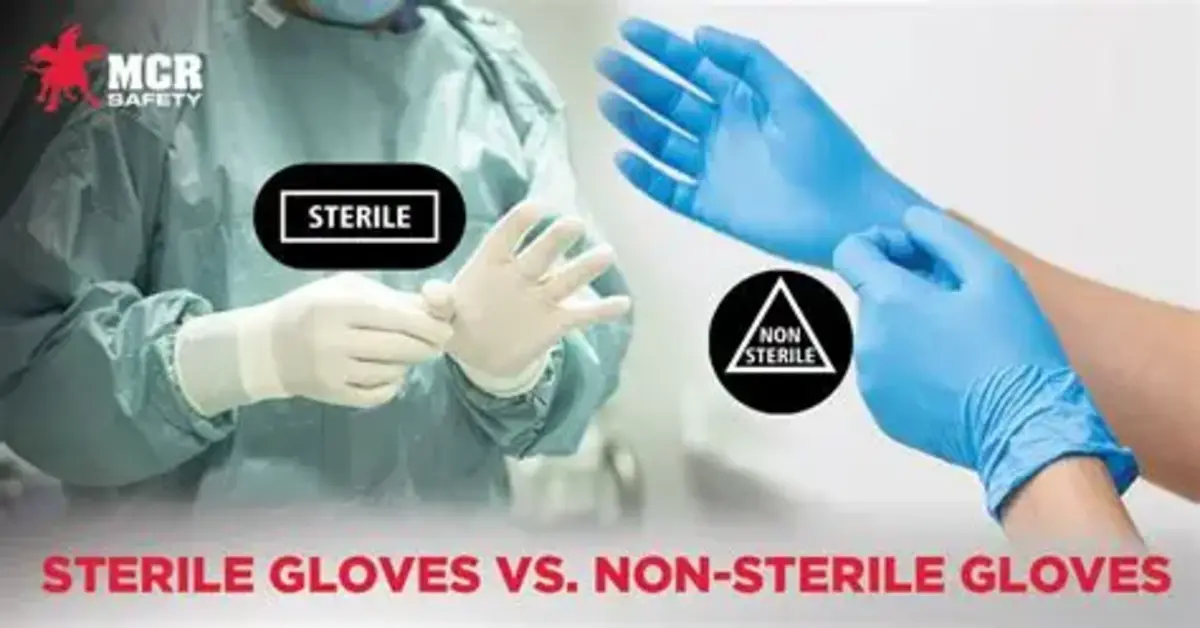
Choosing Between Sterile and Non-Sterile Gloves: What’s the Difference?: Selecting the right protective glove is more than a routine purchasing decision. It affects safety, workflow efficiency, and compliance in healthcare, laboratories, manufacturing, food processing, and countless other professional settings. Understanding the difference between Sterile and Non Sterile Gloves helps organizations reduce risks and match the right level of protection to the task at hand.
Below is a clear and practical guide that explains how these two categories differ, when to use each one, and what to consider when selecting high quality products.
What Defines Sterile Gloves
Sterile gloves are manufactured and packaged to eliminate all forms of microorganisms. They go through strict cleaning, sterilization, integrity testing, and quality inspections. Once sterilized, they are sealed to prevent contamination before use.
Key characteristics
Certified free of microorganisms. Sterile gloves follow validated sterilization methods such as gamma irradiation or ethylene oxide.
Produced in controlled environments. Manufacturing occurs in cleanrooms with tight contamination controls.
Individually packaged. Pairs are sealed to maintain sterility until opened.
High consistency and quality. They must meet rigorous medical standards, often required for invasive and surgical procedures.
Anatomical fit. Many sterile gloves offer left and right hand designs for precision and comfort.
When to use sterile gloves
Sterile gloves are the standard for:
- Surgical procedures
- Invasive medical interventions
- Handling of sterile instruments
- Advanced wound careResearch environments where sterility is essential
When an activity involves contact with compromised tissue, internal organs, or sterile fields, sterile gloves are non negotiable. They protect both the professional and the patient by preventing infection and cross contamination.
What Defines Non Sterile Gloves
Non sterile gloves are clean and safe to use but are not required to meet sterilization standards. They are widely used across medical and industrial environments where sterility is not essential but reliable barrier protection is still needed.
Key characteristics
Safe but not sterilized. These gloves are free of visible contaminants but are not certified sterile.
Mass packaged. They typically come in boxes of 50 to 200 gloves.
Cost effective. Lower manufacturing demands make them more economical for high volume tasks.
Variety of materials and thicknesses. Options include nitrile, latex, and vinyl to match specific needs and budgets.
When to use non sterile gloves
Non sterile gloves are suitable for:
- Routine patient exams
- Diagnostic activities
- General laboratory work
- Cleaning and sanitation
- Food handling
- Industrial and manufacturing tasks
They are ideal when the primary goal is to prevent contact with body fluids, chemicals, or contaminants without requiring a sterile field.
Sterile and Non Sterile Gloves: Key Differences at a Glance
1. Level of cleanliness
Sterile gloves are guaranteed microorganism free.
Non sterile gloves are clean but not sterilized.
2. Manufacturing controls
Sterile gloves require cleanroom production and validation testing.
Non sterile gloves follow standard production controls.
3. Packaging
Sterile gloves come in individually sealed pairs.
Non sterile gloves come in bulk boxes for quick access.
4. Cost
Sterile gloves are more expensive due to their strict quality and sterilization processes.
Non sterile gloves are more budget friendly for general tasks.
5. Required applications
Sterile gloves serve surgical and invasive procedures.
Non sterile gloves serve examinations, handling tasks, and industrial work.
How to Choose the Right Glove for Your Environment
Choosing the correct glove category starts with evaluating the task requirements.
1. Define whether sterility is required
If the task enters a sterile field or involves invasive patient care, sterile gloves are the only acceptable choice.
If sterility is not required, non sterile gloves provide reliable and cost effective protection.
2. Confirm material compatibility
Nitrile is widely used for chemical and puncture resistance.
Latex offers flexibility and a snug fit, although allergies must be considered.
Vinyl supports short term, low risk tasks.
3. Consider comfort and dexterity
Sterile gloves often offer an anatomical fit that supports long procedures.
Non sterile gloves come in a wider mix of thicknesses for comfort or heavy duty needs.
4. Assess certification and supplier standards
Whether selecting sterile or non sterile gloves, quality matters. Look for:
- Compliance with global standards such as ASTM, EN, or ISO
- Verified manufacturing processes
- Consistent sizing across batches
- Reliable packaging and labeling
- Reputable suppliers with traceable production
Why Product Quality Makes a Difference
High quality gloves reduce tear rates, improve tactile sensitivity, and support safe performance across long shifts. In clinical settings they lower the risk of healthcare associated infections. In industrial settings they prevent chemical exposure and mechanical injuries. Across every environment, dependable gloves increase productivity and confidence.
Organizations should work with trusted suppliers who provide transparent testing, stable supply chains, and a range of both sterile and non sterile options. This ensures professionals can match each task with the right glove, without compromise.
Final Takeaway
Understanding the difference between Sterile and Non Sterile Gloves is essential for workplace safety and regulatory compliance. Sterile gloves protect sterile fields and are required for surgical and invasive procedures. Non sterile gloves support high volume everyday tasks across healthcare, laboratories, food service, and industrial operations. The right choice depends on the level of protection needed, the nature of the work, and the standards your organization must meet.
When you pair clear task assessment with trusted, high quality products, you give your team the safety, precision, and confidence they need to work at their best.
More info about gloves: visit mitrasaruta – pabrik sarung tangan










Leave a comment