


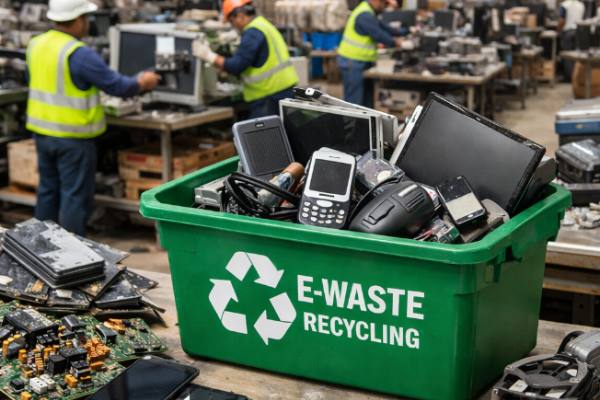
Electronic devices are now a part of daily life. Mobile phones, laptops, TVs, chargers, and batteries are used everywhere. But when these devices stop working or become outdated, they turn into electronic waste, also known as e-waste. An e waste management system is the process used to collect, handle, recycle, and safely dispose of this waste.
Without proper management, e-waste creates serious problems for the environment and human health. That is why understanding and using a proper e waste management system is important for individuals, businesses, and governments.
What Is an E Waste Management System?
An e waste management system is a structured method to manage discarded electronic items. It focuses on reducing harm by making sure e-waste is not dumped in landfills or burned in open areas.
This system includes:
- Collection of old electronics
- Sorting and storage
- Recycling useful materials
- Safe disposal of harmful parts
The main goal is to recover valuable materials and prevent toxic substances from entering the environment.
Why E Waste Needs Special Management
Electronic waste contains both useful and dangerous materials. Items like copper, aluminum, gold, and silver can be reused. At the same time, e-waste also contains lead, mercury, cadmium, and other harmful chemicals.
If e-waste is thrown away with regular trash:
- Toxic chemicals can leak into soil and water
- Air pollution increases due to burning
- People handling waste without protection face health risks
A proper e waste management system helps control these issues by using safe and tested methods.
Key Steps in an E Waste Management System
- Collection
The first step is collecting discarded electronics. This can happen through:
- E-waste collection centers
- Take-back programs by companies
- Community collection drives
Proper collection prevents illegal dumping.
- Sorting and Segregation
Collected e-waste is sorted based on type, size, and material. Batteries, screens, and circuit boards are separated because they need different handling methods.
- Recycling
Recycling is the most important part of an e waste management system. Usable materials like metals and plastics are recovered and sent back into manufacturing. This reduces the need for mining new resources.
- Safe Disposal
Some parts cannot be recycled. These are disposed of in controlled facilities designed to prevent pollution. Safe disposal protects land, water, and air.
Role of Individuals in E Waste Management
People play a big role in making the system work. Simple actions can make a difference:
- Do not throw electronics in household waste
- Use authorized e-waste collection points
- Donate working devices instead of discarding them
- Buy durable products that last longer
Responsible behavior supports the entire e waste management system.
Role of Businesses and Manufacturers
Manufacturers and businesses are also responsible for managing e-waste. Many follow extended producer responsibility, where companies help collect and recycle products they sell.
This approach:
- Reduces waste at the source
- Encourages better product design
- Improves recycling rates
A strong e waste management system depends on cooperation from companies.
Benefits of a Proper E Waste Management System
When e-waste is managed correctly:
- Natural resources are conserved
- Environmental pollution is reduced
- Jobs are created in recycling industries
- Public health risks are lowered
It also helps build a cleaner and more responsible future.
Conclusion
An e waste management system is not just a technical process. It is a shared responsibility. As electronic use continues to grow, so does the need for proper management of discarded devices.
By following correct collection, recycling, and disposal methods, e-waste can be turned from a problem into a resource. Small actions, when repeated by many people, support a system that protects the environment and human health.









Leave a comment