





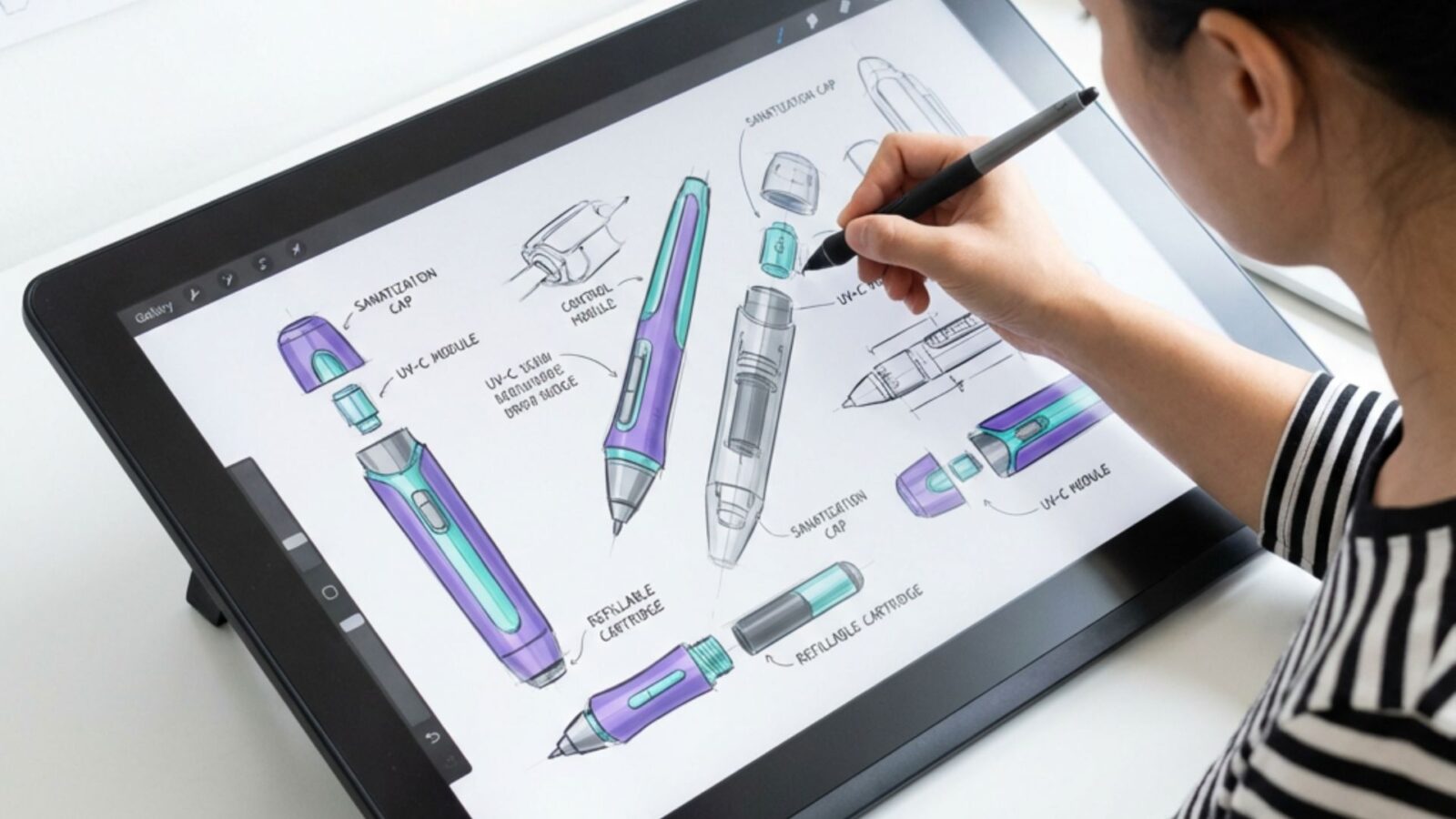
How Designers and Developers Experience It in Real Projects
If you’ve spent enough time designing or developing medical devices, you’ve probably felt this moment. The concept is exciting. Sketches are flowing. Prototypes start to behave the way you imagined. Then someone asks a simple question: “Can we show how we got here?”
That’s usually when ISO 13485 certification enters the room. Not loudly. Not dramatically. Just… firmly. And for many designers and developers, that’s where opinions split. Some see it as structure. Others see it as friction. The truth, as usual, sits somewhere in the middle.
What ISO 13485 certification really asks from development teams
At its core, ISO 13485 certification focuses on consistency and clarity in how medical devices are designed and developed. That sounds formal, but the lived experience is simpler. It asks teams to slow down just enough to explain their decisions. Why this design? Why this material? Why this tolerance?
You know what? Most teams already make thoughtful choices. They just don’t always capture the reasoning. ISO 13485 doesn’t introduce discipline out of nowhere—it makes existing discipline visible. That shift can feel uncomfortable at first, especially for teams used to fast iteration. But visibility brings confidence, not control.
Over time, teams realize they’re not being asked to justify creativity. They’re being asked to protect it from confusion later.
Design controls without killing momentum
Design controls often get blamed for slowing projects down. Inputs, outputs, reviews, checks—it can feel like a checklist trying to tell creative people how to think.
But step back for a moment. Design controls act like a shared memory. They record what the team believed at a specific moment and why. When changes happen—and they always do—those records prevent arguments based on memory instead of facts.
ISO 13485 certification encourages teams to connect ideas logically. Requirements lead to designs. Designs lead to verification. Verification leads to confidence. When this flow is clear, development actually feels calmer, not heavier.
And yes, it takes effort upfront. But it saves far more effort later when questions surface.
Documentation: uncomfortable, but powerful when done right
Let’s not sugarcoat it. Documentation is rarely anyone’s favorite task. Designers want to design. Developers want to build. Writing things down feels like a distraction.
The problem isn’t documentation itself. It’s bad documentation. Vague statements. Outdated files. Notes written only to satisfy a review. Those create friction.
ISO 13485 pushes teams toward clarity. Not longer documents—clearer ones. Clear intent. Clear responsibility. Clear links between decisions. When documentation reflects real thinking, it stops feeling artificial.
Many teams discover that once documentation becomes part of their normal workflow, resistance fades. It turns into a thinking aid instead of a burden.
Risk thinking as part of design, not an afterthought
Risk analysis often gets misunderstood. Some people hear “risk” and think negativity. In reality, it’s curiosity. What could fail? How likely is it? What would help reduce impact?
ISO 13485 certification connects risk thinking directly to development activities. It doesn’t live in isolation. As designs evolve, risks evolve too. That’s realistic. Devices change. Use conditions change. Expectations change.
If you’ve ever watched someone interact with a device in a way you never expected, you already understand the value of this thinking. Risk work turns surprises into lessons instead of incidents.
Usability is where design meets reality
For designers, usability isn’t theoretical. It’s human. Devices are used by people who are busy, tired, distracted, or stressed. They don’t read instructions carefully. They rely on intuition.
ISO 13485 doesn’t dictate design style. It asks teams to test assumptions. Observe behavior. Learn from outcomes. That process strengthens designs without stripping creativity.
Yes, usability work takes time. But skipping it costs far more later—confusion, complaints, and redesigns that feel avoidable in hindsight.
Communication gaps are the real risk
Many development issues aren’t technical. They come from assumptions. One group assumes another handled something. Another assumes approval already happened. Small gaps grow quietly.
One understated benefit of ISO 13485 certification is how it encourages structured conversations. Reviews become moments where misunderstandings surface early. Sometimes that’s uncomfortable. But early discomfort prevents late frustration.
Over time, teams begin to appreciate this rhythm. Not because it’s perfect, but because it reduces chaos.
Reviews that support learning, not fear
Reviews often sound intimidating. In practice, they’re checkpoints. They reveal gaps that already exist. When teams treat reviews as learning moments instead of judgment, stress levels drop noticeably.
ISO 13485 doesn’t demand flawlessness. It supports awareness and improvement. That mindset shift takes time. But once it settles in, reviews become predictable and manageable.
Developers stop preparing defensively. Designers stop overexplaining. Conversations become calmer and more focused.
The subtle mindset shift teams don’t expect
Here’s a mild contradiction. ISO 13485 can feel restrictive at first. Yet many teams later say it gives them freedom. Why? Because decisions stop being personal. They’re supported by logic, evidence, and shared agreement.
Design debates become clearer. Trade-offs are documented. Risks are acknowledged rather than ignored. Over time, ISO 13485 certification changes how teams think—not just how they document.
And when a product moves forward, there’s a quiet confidence behind it. Not excitement alone, but trust.
Why this matters beyond internal work
End users never see your design files or review notes. They experience outcomes. Devices that behave predictably. Devices that feel intuitive. Devices they trust.
ISO 13485 works quietly behind the scenes, shaping those outcomes. For designers and developers, it’s less about formal compliance and more about responsibility. You’re not just creating functionality. You’re creating reliability.
That perspective changes how teams approach their work.
Final thoughts
ISO 13485 certification isn’t about slowing innovation. It’s about giving innovation a structure that holds under pressure. It helps teams explain decisions, manage uncertainty, and stay focused when complexity grows.
For medical device designers and developers, the real value isn’t the certificate itself. It’s the shared understanding, calmer workflows, and confidence that come from knowing the work makes sense—not just now, but later too.
And honestly, in a field where people depend on what you build, that kind of confidence is worth the effort.






Leave a comment