



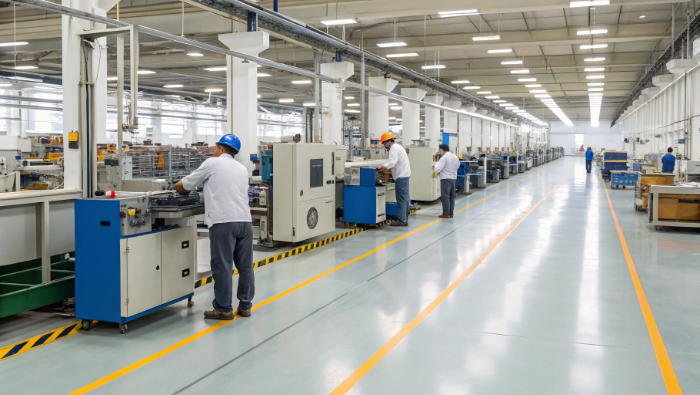
In many workplaces, unexpected machine breakdowns cause delays, lost productivity, and higher costs. Operators waste hours waiting for repairs, and companies face wasted materials and frustrated customers. These problems often happen because maintenance is reactive, happening only after equipment fails.
Total productive maintenance (TPM) solves this by keeping machines in top condition through regular checks, cleaning, lubrication, and small repairs before issues grow. TPM involves everyone, from operators to managers, in caring for equipment. The result is fewer breakdowns, smoother workflows, and higher productivity. With TPM, companies prevent problems instead of constantly reacting to them.
Let’s see how TPM can transform your operations and boost efficiency.
What is Total Productive Maintenance?
Total productive maintenance is a system for keeping equipment in the best possible condition. It involves everyone in the workplace, from operators to managers, taking care of machines. Unlike traditional maintenance, which often reacts to problems, TPM aims to prevent problems before they happen.
The main goal of TPM is to make sure machines work all the time. When equipment is reliable, workers can complete tasks faster, production stays on schedule, and companies save money.
Understanding Productive Maintenance
Before going further, it is helpful to understand the productive maintenance definition. Productive maintenance is any action that keeps machines working at their best. This includes cleaning, inspecting, lubricating, adjusting, and repairing machines. The idea is to reduce downtime and improve output.
While traditional maintenance reacts to breakdowns, productive maintenance focuses on prevention. It is about making machines always ready to perform at their best.
How Total Productive Maintenance Boosts Equipment Reliability
Reliable equipment means machines work when needed without unexpected breakdowns. TPM improves reliability in several ways:
1. Preventive and Predictive Maintenance
One of the most important parts of TPM is preventive maintenance. Small inspections and routine tasks prevent machines from breaking down. For example, a conveyor belt might fail because of worn rollers. With TPM, the rollers are checked and replaced before failure, keeping production running smoothly.
Predictive maintenance takes this further. Using simple data, like vibration or temperature readings, machines can “warn” operators about issues before they happen. This way, problems are solved while they are small, and downtime is avoided.
2. Operator Involvement (Autonomous Maintenance)
TPM encourages operators to take care of the machines they use every day. Operators are the first to notice abnormal sounds, unusual heat, or oil leaks. By checking, cleaning, and lubricating machines daily, operators prevent small issues from turning into major breakdowns.
For example, a machine operator who notices a faint squeak can add lubrication and tighten loose parts, preventing a costly failure later.
3. Root Cause Analysis
TPM doesn’t just fix machines; it eliminates recurring issues. When a problem happens, TPM teams look for the root cause, not just the symptom.
For instance, if a gearbox keeps overheating, the maintenance team investigates why. They might discover that lubrication is insufficient or that a part is worn out. By fixing the root cause, the problem does not happen again, making the machine more reliable.
4. Quality Maintenance
Reliable machines produce better products. If equipment is poorly maintained, product quality suffers. For example, a cutting machine with dull blades may produce defective parts. With TPM, blades are kept sharp, adjustments are made regularly, and product defects are reduced.
5. Early Equipment Management
TPM starts even before buying machines. Selecting reliable machines that are easy to maintain reduces future reliability problems. For example, choosing a pump that allows easy lubrication and quick parts replacement makes maintenance simpler and prevents future breakdowns.
How Total Productive Maintenance Boosts Productivity
Beyond reliability, TPM also helps companies get more work done with the same resources. Here is how it improves productivity:
1. Reduced Downtime
Fewer breakdowns mean machines spend more time running. For example, if a machine fails five times a month without TPM, production stops frequently. With TPM, it might only fail once a month. This means workers can produce more products in the same time.
2. Smoother Workflow
When machines are reliable, workers can plan their tasks more efficiently. Orders are completed faster, and production schedules are easier to meet. Employees spend less time waiting for machines to be fixed and more time producing output.
3. Better Product Quality
Well-maintained machines produce consistent, high-quality products. This reduces waste, rework, and customer complaints. High product quality also improves customer satisfaction and reduces costs associated with defective items.
4. Employee Engagement and Skill Development
TPM involves everyone in maintenance. Operators and technicians learn how machines work and how to care for them. Skilled workers notice early signs of problems and take quick action. This engagement boosts productivity because workers are more alert and invested in keeping operations smooth.
5. Cost Savings
TPM reduces costs in several ways. Fewer breakdowns mean fewer emergency repairs. Well-maintained machines last longer, reducing replacement costs. Machines that run efficiently also use less energy, saving on electricity bills. All these savings allow companies to invest in growth or improve processes.
Steps to Implement Total Productive Maintenance
Implementing TPM takes planning and teamwork. Here are practical steps:
- Assess Equipment Needs: Make a list of all machines and check their condition. Identify which machines are critical for production.
- Train Operators and Staff: Teach everyone basic maintenance tasks and how to spot early signs of problems.
- Create a Maintenance Schedule: Plan regular inspections, cleaning, lubrication, and part replacement.
- Set Performance Goals: Measure uptime, breakdown frequency, and product quality.
- Encourage Continuous Improvement: Review results regularly and find ways to improve maintenance processes.
- Use Data and Technology: Record maintenance activities and analyze data to predict problems before they occur.
Conclusion
TPM is not just about fixing machines when they break. It is a complete approach to keeping equipment reliable, improving productivity, and ensuring high-quality output. By involving everyone, planning maintenance carefully, and focusing on continuous improvement, companies can reduce downtime, save money, and increase efficiency.
Understanding the productive maintenance definition helps businesses see maintenance as an investment, not a cost. TPM ensures that machines work better, employees are more effective, and production goals are easier to achieve. Implementing TPM may take effort, but the results, reliable equipment and higher productivity, are worth it.
Take control of your operations with MicroMain! Use total productive maintenance to prevent breakdowns, boost reliability, and increase productivity. Start today and see real results fast!









Leave a comment